When considering the technological infrastructure powering modern artificial intelligence, high-bandwidth memory (HBM) and next-generation GPUs dominate discussions. However, an unexpected optoelectronic breakthrough is emerging on the semiconductor horizon: microLEDs utilized as high-speed optical interconnects.
According to analysis from LEDinside and technical showcases from optoelectronics leader ams OSRAM, microscopic light-emitting diodes (microLEDs) are rapidly expanding far beyond their original identity as high-density display pixels. Their microscopic footprint (often under 50 micrometers), nanosecond switching speeds, and immense luminous efficiency position them as a transformative technology across automotive safety and AI computing infrastructure.
From High-Definition Road Illumination to Silicon Photonics
Key Emerging Applications:
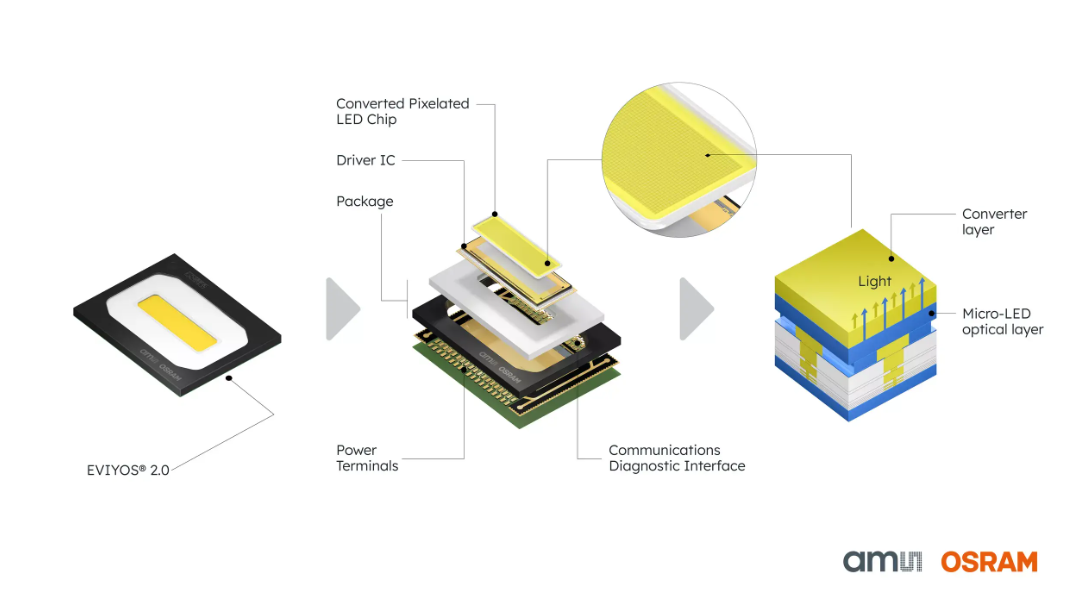
- Smart Automotive Headlamps: Monolithic microLED arrays with over 25,000 individually addressable pixels, enabling dynamic anti-glare high beams, road symbol projection, and vehicle-to-pedestrian safety cues.
- AI Optical Interconnects: Replacing electrical copper interconnects with high-speed microLED optical transceivers for ultra-low latency, high-bandwidth chiplet-to-chiplet communication within AI server clusters.
- Thermal & Power Advantages: High thermal tolerance and low power draw enable dense integration directly atop silicon substrates without excessive thermal penalties.
The Expanding Frontier of Display Hardware
The cross-pollination between high-density display fabrication and semiconductor photonics demonstrates the boundless versatility of LED science. As microLED manufacturing yields improve through automated mass-transfer technologies, the commercial display industry will enjoy more durable, sunlight-impervious, and power-frugal video walls for commercial and enterprise applications.
Source Reference & Original Reporting: